

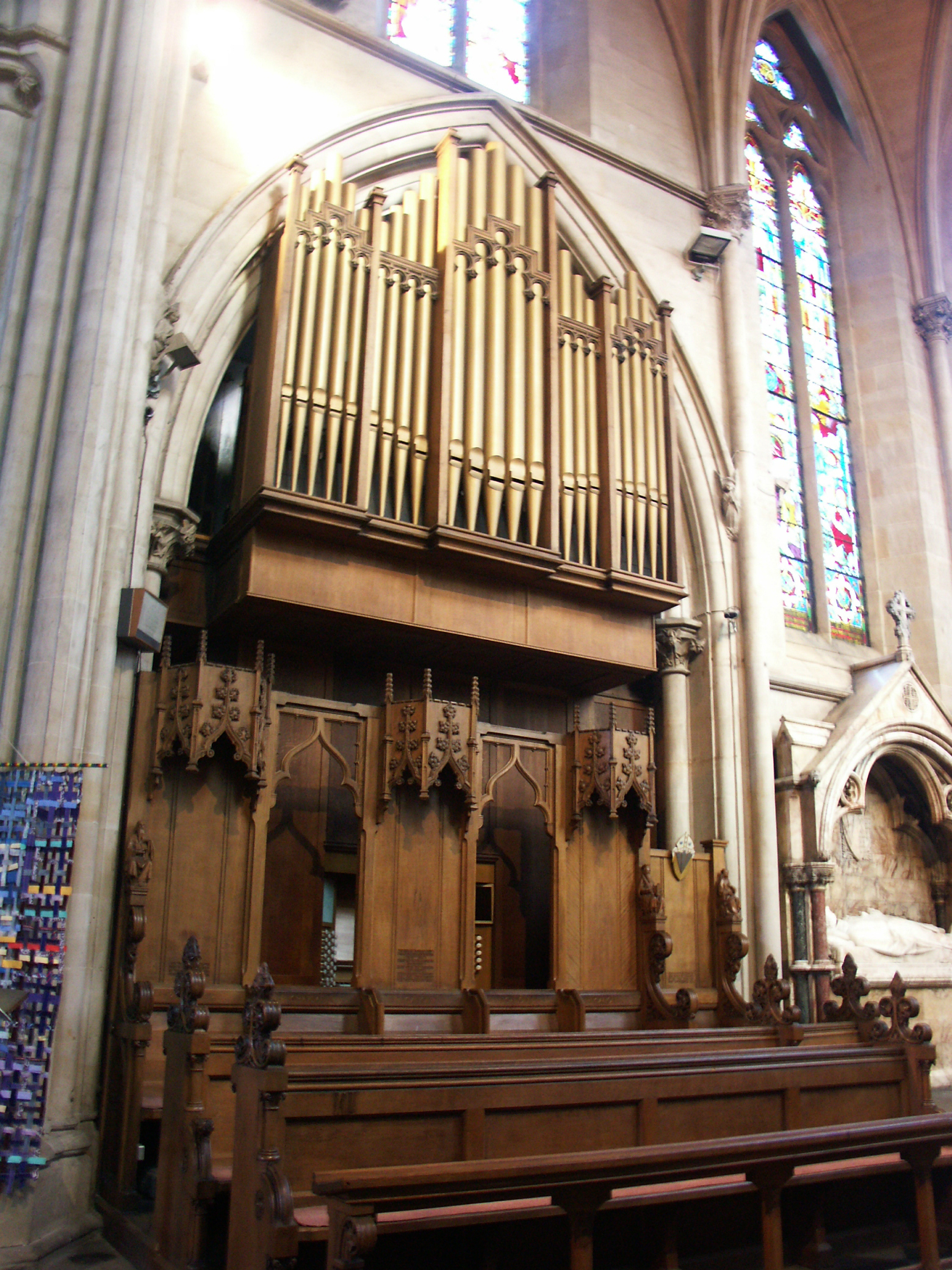
The organ at St Paul’s Cathedral has developed over many years and remains central to the worship and musical life of the Cathedral today.
Originally built in 1865 by Hill & Son of London, the instrument has undergone several significant stages of work and rebuilding, reflecting changing musical needs and developments in organ design.
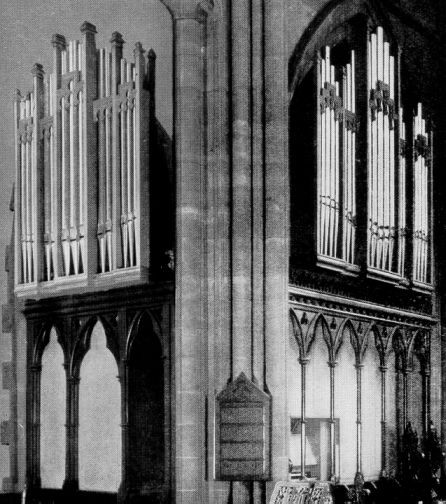
Further work was carried out in 1894 by Wadsworth of Manchester, before a major rebuild in 1937 by Rothwell.
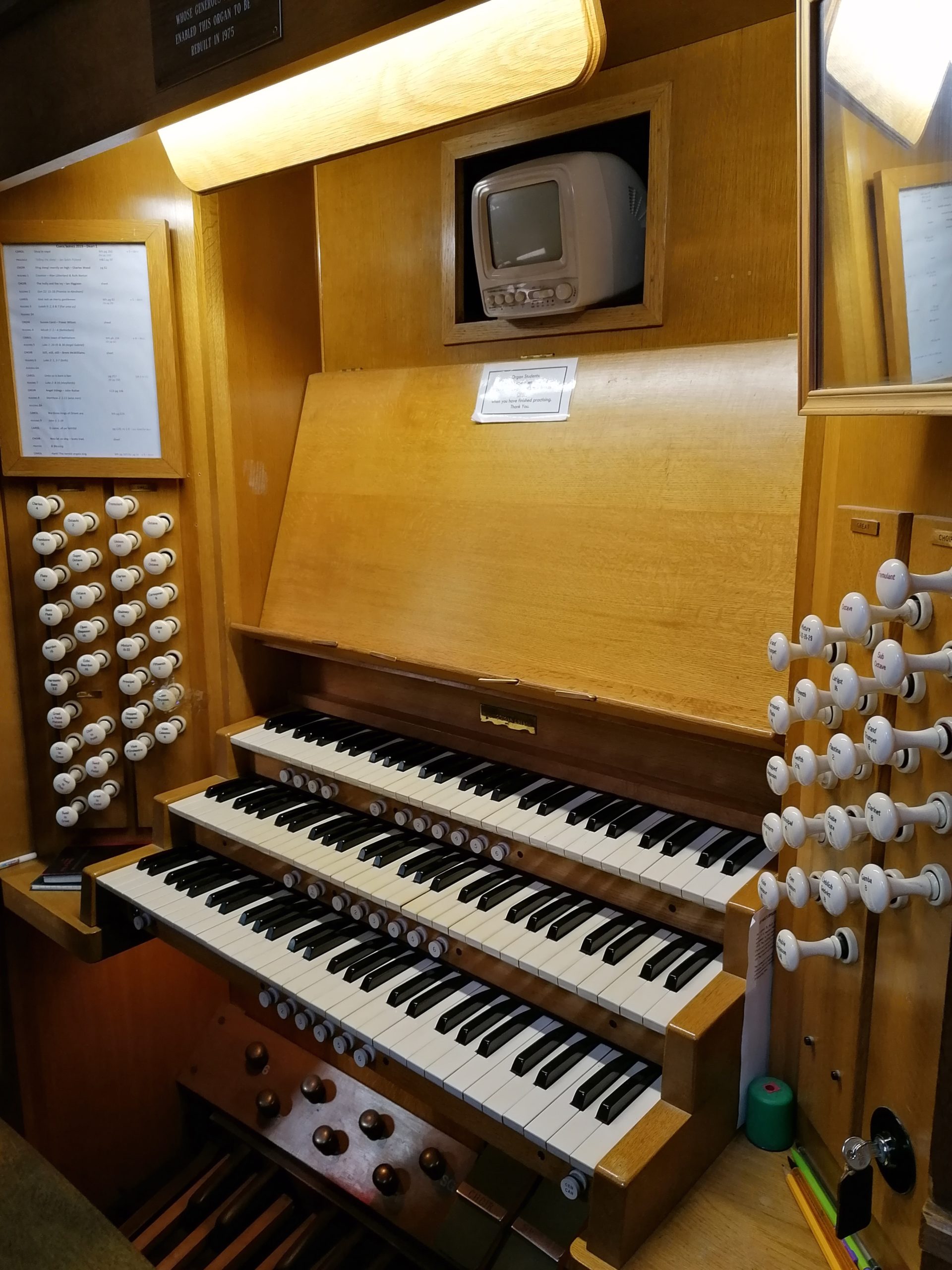
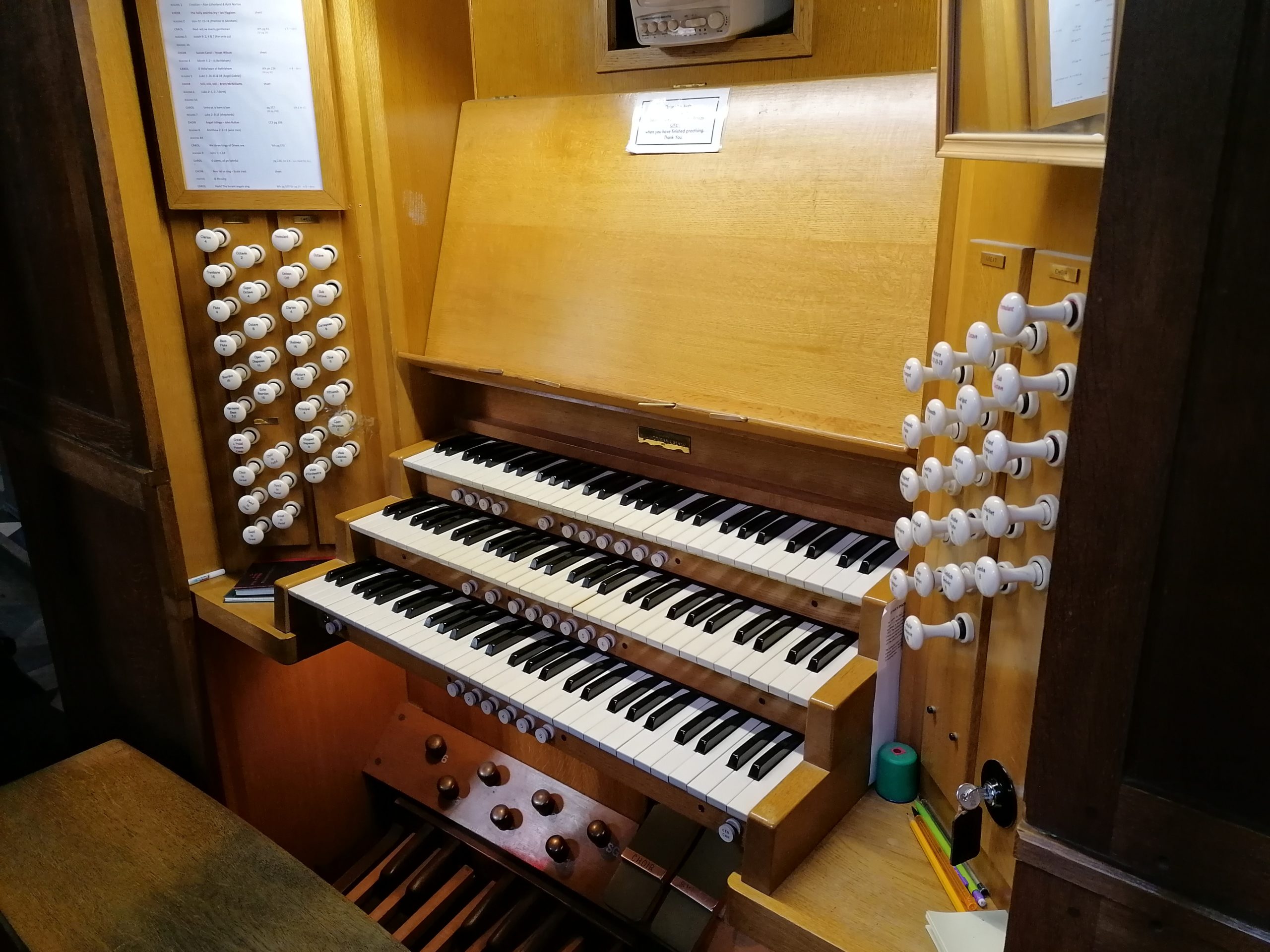
In 1975, the organ was reconstructed by Hill, Norman & Beard. This work included the installation of a new console and the electrification of the action, bringing the instrument into line with modern performance and liturgical requirements.
Today, the organ continues to support the Cathedral Choir and congregation in the rich musical tradition of the Scottish Episcopal Church, as well as being used for recitals, concerts and special services throughout the year.
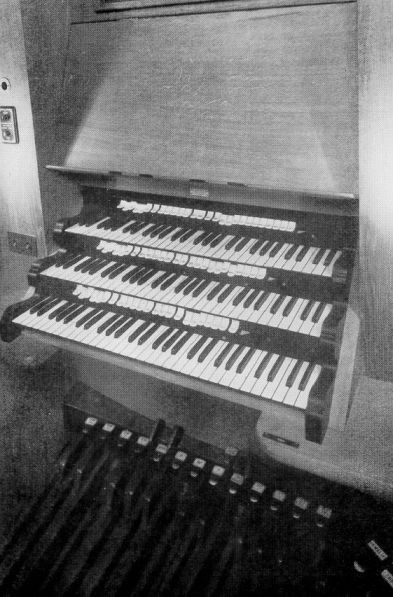
ORGAN SPECIFICATIONS
| Great Organ
| Choir Organ
| Swell Organ
| Pedal Organ
|

